

What Sports Have Taught Me as an IT Leader





Khaled Salem




Cases of the community members
View all cases

Data Factory Implementation


Bonuses for excellent grades
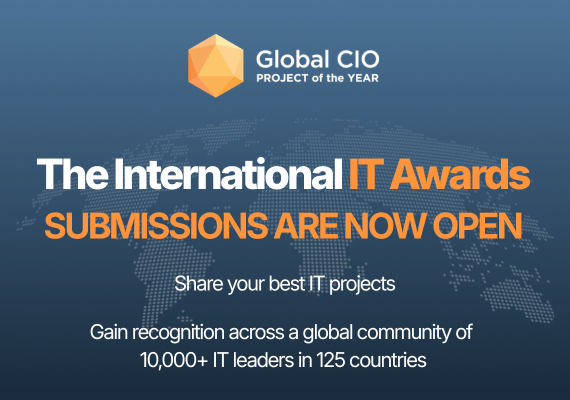
On September 7, the international IT community, Global CIO, officially opened applications for the annual “Project of the Year” contest, where IT leaders from around the globe showcase their best IT projects.
The “Project of the Year” provides a valuable platform for IT leaders to showcase their achievements, share experiences, and gain recognition from their peers. Participation is free, with the primary goal being to identify, consolidate, and promote best practices within the global IT community.
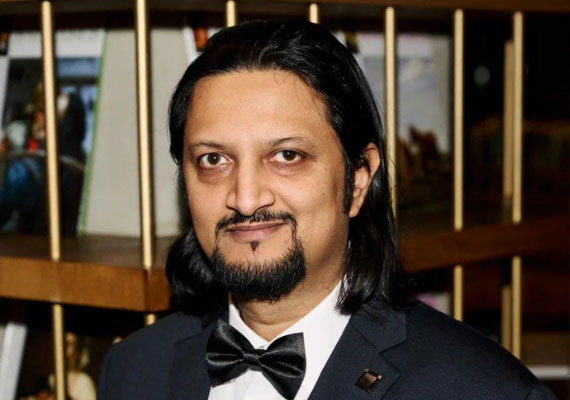

Keeping systems running is no longer enough. What will the business expect from CIOs over the next three years, and how can IT stay ahead without turning every initiative into another budget request? Zeeshan Noorani, Head of IT at SGS, argues that the shift is from uptime to process velocity and from pushing technology to solving business pain. He explains how agentic AI and sovereign cloud are changing the CIO’s mandate, how to manage the risks of AI-driven shadow IT, how to translate technical projects into business outcomes, and why trust with stakeholders has to be earned before resources are requested.

Jorge Garcia, Head of Heavy Duty Projects China at Volkswagen (China) Investment Co., Ltd., shared three leadership principles for IT leaders in the AI era. Why motivating a team matters most when things go wrong, why AI should challenge a process instead of just speeding it up, and why real innovation rarely comes from outside the team.
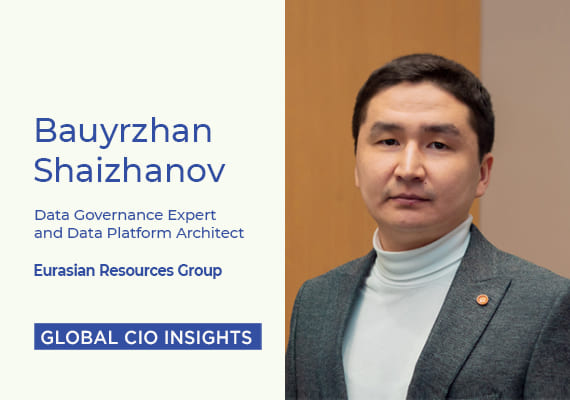
Eurasian Resources Group runs data infrastructure for nine industrial enterprises and more than 60,000 IT users. Bauyrzhan Shaizhanov, the company's Data Governance Expert and Data Platform Architect, shared how ERG unified its data and AI platforms, and where AI agents already do real work inside the business.

Most companies say they already use AI, but is that the same as being transformed by it? Pavel Poteev, Associated partner at O2Consulting, argues that the AI wave reshapes work, coordination, and power inside the enterprise, creating resistance at a scale CIOs rarely face in conventional IT programs. He explains why faster individual work does not automatically improve enterprise efficiency, why data and process maturity matter, and how IT and HR roles are changing around the hybrid workforce. He also looks at how CIOs can assess readiness and set realistic expectations with the board.

"Information security is an expense," "I don't understand what we're paying for," "Information security prohibits everything"—these are the kinds of things an information security director hears from other C-level executives. In this article, we'll explain what needs to be researched and prepared to convince everyone that an information security budget is a completely justified necessity. For clarity, we've identified five key issues you're likely to encounter when protecting your information security budget.

Timofey Lyutomsky, Director of Digital Transformation at a real estate development company, explains how a ten-camera pilot exposed the gap between the vendor’s stated performance and actual results on a construction site. The F1 score was approximately 0.5 rather than 0.95. Model tuning and process changes helped the team reach the target level and scale video analytics across five projects.

Microfinance is outgrowing legacy IT. Read how bank-grade platforms help MFOs meet tighter regulation, launch complex products, scale integrations, and prepare for the next stage—from niche growth to a full banking transformation in Kazakhstan today.
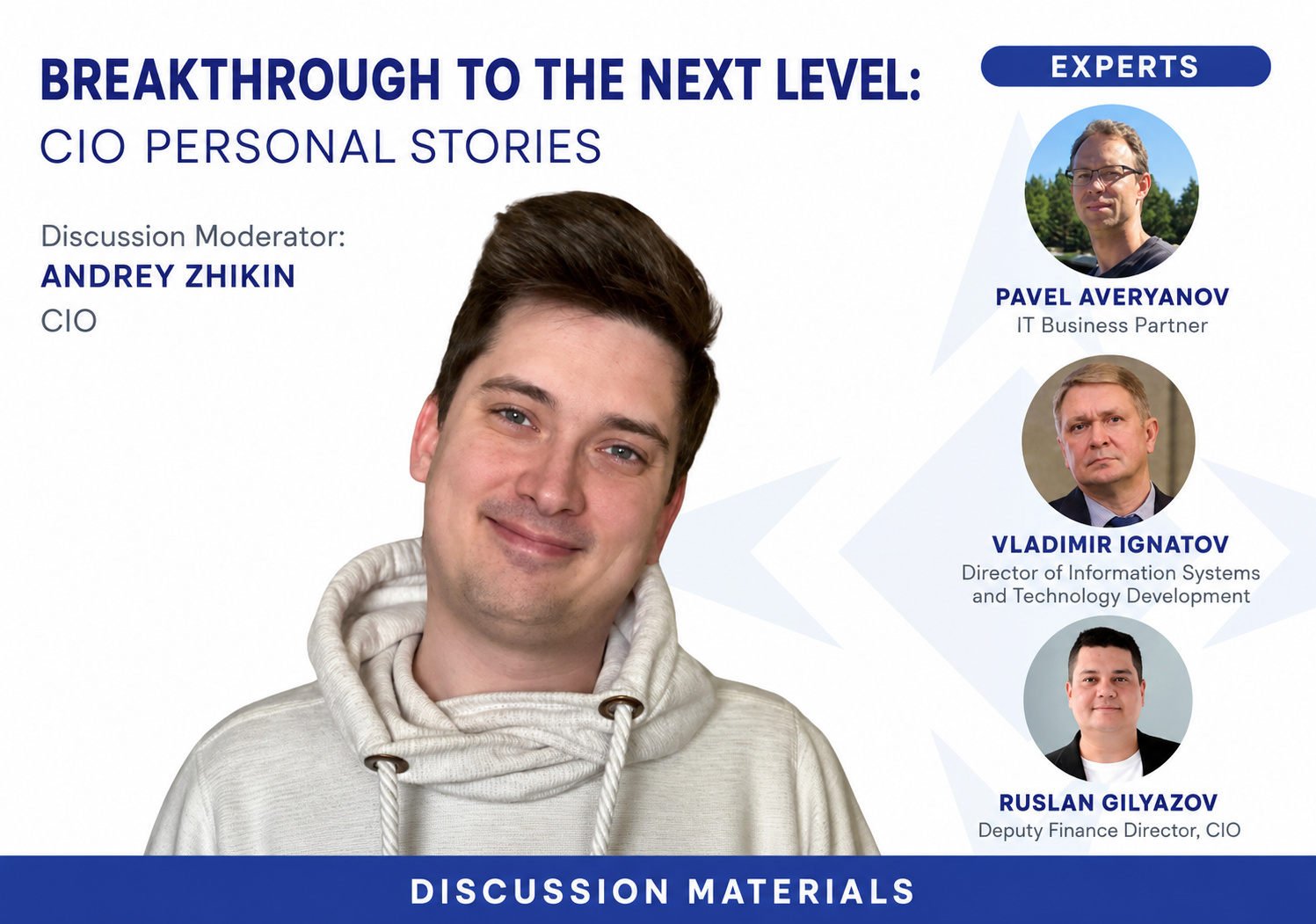
A CIO's rise to the next level rarely matches the promotion date. Behind it stands a turning point—and each leader's story is different. Five experienced IT directors shared breakthrough episodes that changed everything: a major transformation, a board meeting, recognition from outside, a new role that demanded patience. What they all discovered: when you change how you see your work, everything else shifts too.
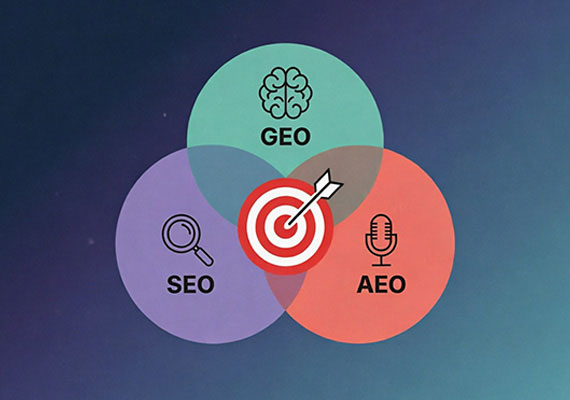
The service is still being formed, but the question is already facing every marketing director: what to do with this new trend and whether the business needs it. To answer it, you do not need to wait for the market to settle down – it is enough to understand the logic of the channel and clearly define your goals.
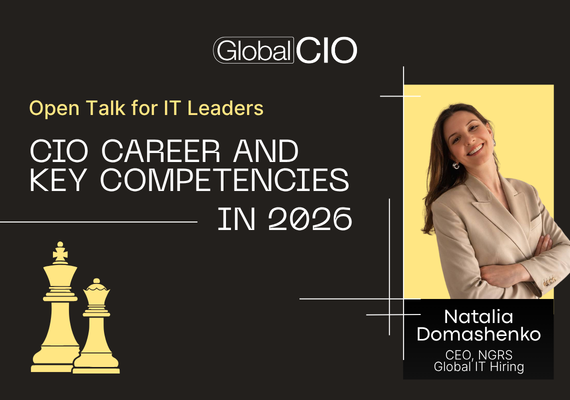
Most CIOs deliver results. The ones who get hired can explain what those results mean for the business. Natalia Domashenko and Anna Agafonova from NGRS, bringing nearly 20 years of experience in global IT executive search, share how hiring briefs have evolved, which competency most often leads to dismissal, and why top candidates are becoming increasingly difficult to reach.

We've updated the user account on the Global CIO portal. This isn't just a simple interface overhaul; we've developed a completely new system that allows you to earn points for active participation in the community, receive bonuses for reaching the next level, and clearly track your progress in your Personal Track.
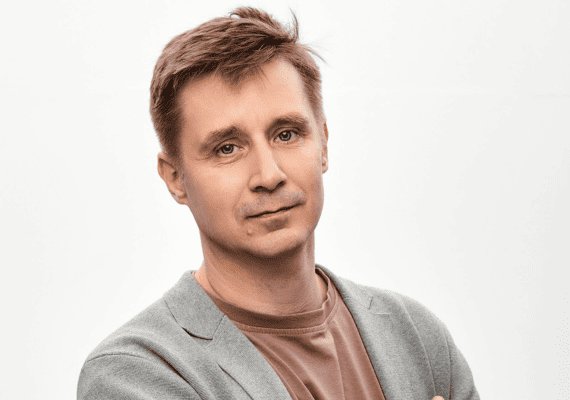
Denis Saltykov, Business Architect and Head of the Operational Efficiency Practice at a major IT consulting firm, explains how to stop justifying IT projects through system implementation alone and start speaking with business in the language of goals, effects, and measurable results. Businesses invest not in automation, but in improving their performance. That means an IT director's job is not just to select a system — it's to prove what problem it solves, what impact it delivers, and why this particular path leads to results.
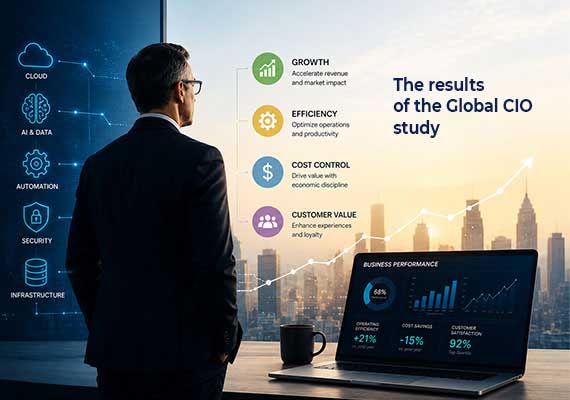
For more than a decade, digital transformation has been one of the defining themes of enterprise technology. Organizations invested heavily in cloud migration, automation, analytics, customer-facing platforms, and new digital business models. Success was often measured by the number of transformation initiatives launched and the speed at which new technologies were adopted.
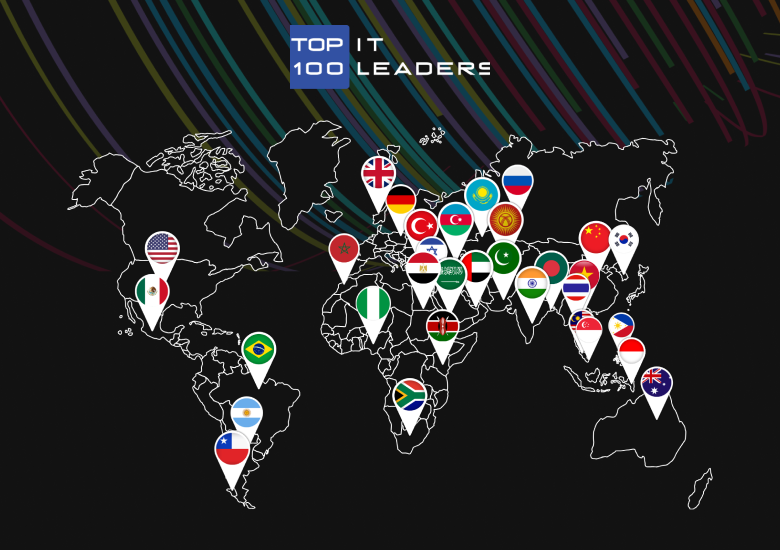
The international professional IT community Global CIO has announced the results of the “Top 100 IT Leaders 2026” project, which brought together digital transformation leaders, CIOs, CTOs, and other senior IT executives from around the world. The project became not only a platform for professional recognition, but also a reflection of the growing role of professional communities in the development of digital transformation worldwide. Today, IT communities create an environment for sharing practical experience, discussing complex technology challenges, and supporting new leaders who are shaping the future of the industry.
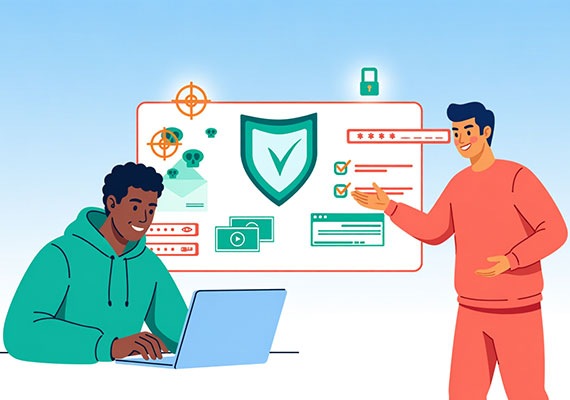
RUTEST, a leader in IT/IS solutions and infrastructure testing, explained why not all WAFs are equally useful. A WAF is designed to effectively block malicious attacks at the entrance to cloud applications and proactively identify potential threats through signature and behavioral analysis of incoming traffic.