Leading in the Age of AI: How the CIO Role Is Being Reinvented
29 September 2026
Jorge Garcia, Head of Heavy Duty Projects China at Volkswagen (China) Investment Co., Ltd., spoke at a Global CIO case study session on three principles he believes define IT leadership in the AI era. The future, he said, is no longer measured in years but in what happens tomorrow, which forces a rethink of what it means to lead an information team.
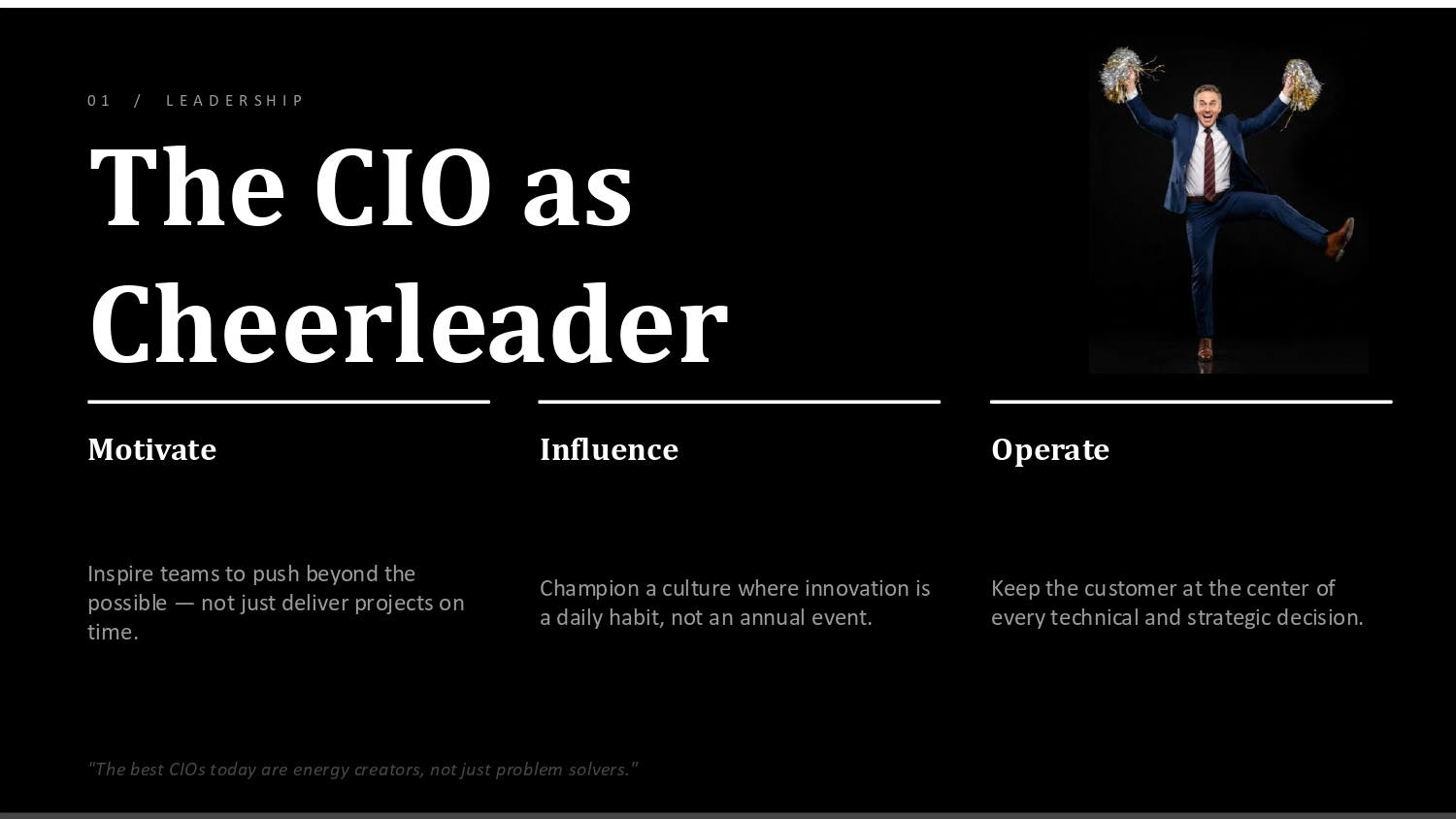
The CIO as Cheerleader
Garcia compared his first idea to the role of a cheerleader. It is not about cheering the team on only when things go well, but about keeping its energy up precisely when a project stalls and results fall short. A leader like that helps the team turn hard moments into something they can learn from, instead of avoiding the problem. At the same time, the CIO's role is not only to energize the team, but also to keep the customer at the center of technical and strategic decisions and make innovation part of everyday work rather than an occasional initiative.
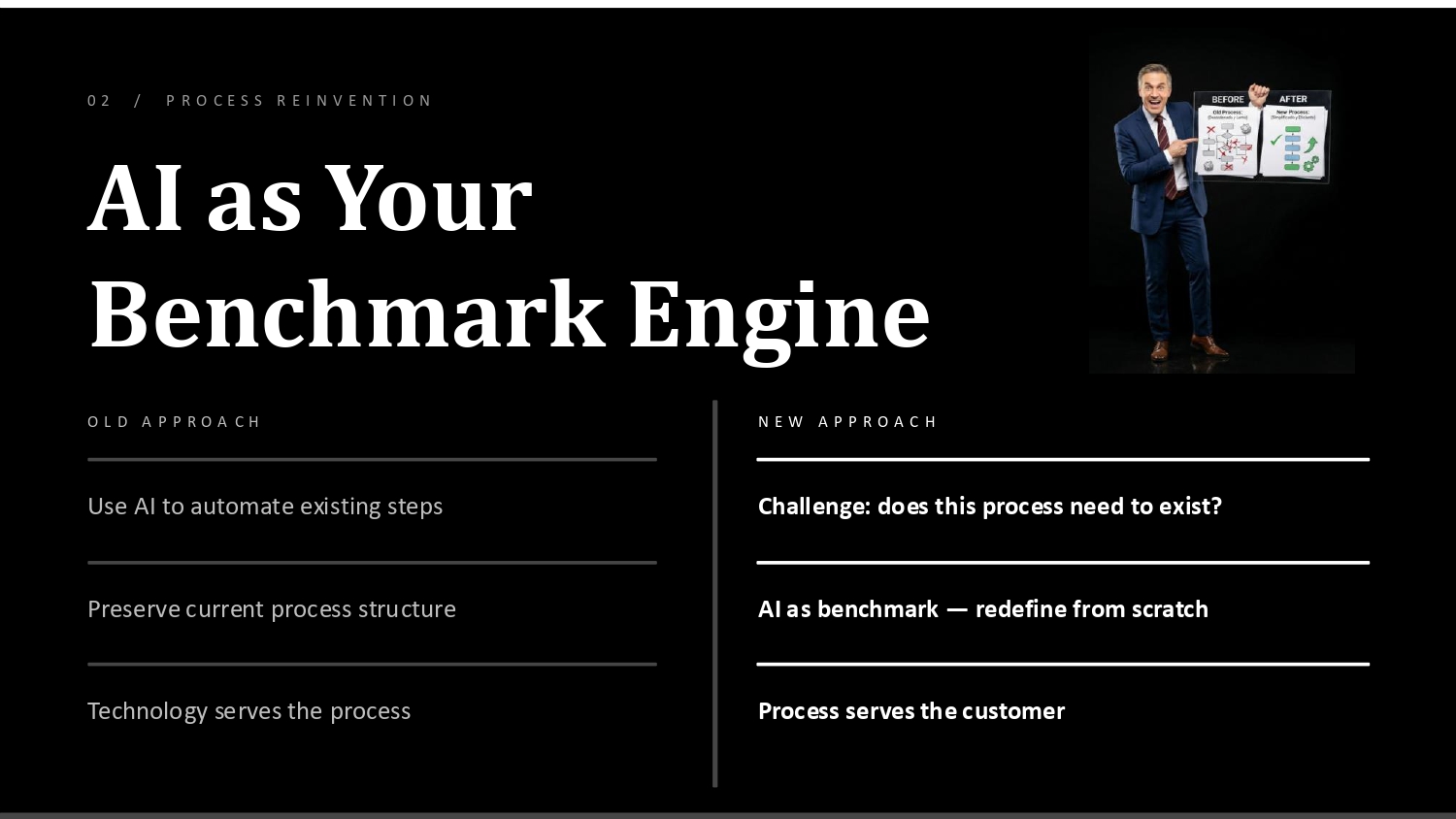
AI as a Benchmark for Rethinking Processes
His second idea is about how to use AI. Instead of automating a process as it stands, Garcia argues, the first question should be why that process exists at all. Many processes were designed years ago for conditions that no longer apply. He suggested using AI as an extra brain for the team, to challenge accumulated company knowledge and redesign a process from scratch rather than just speed up delivery.
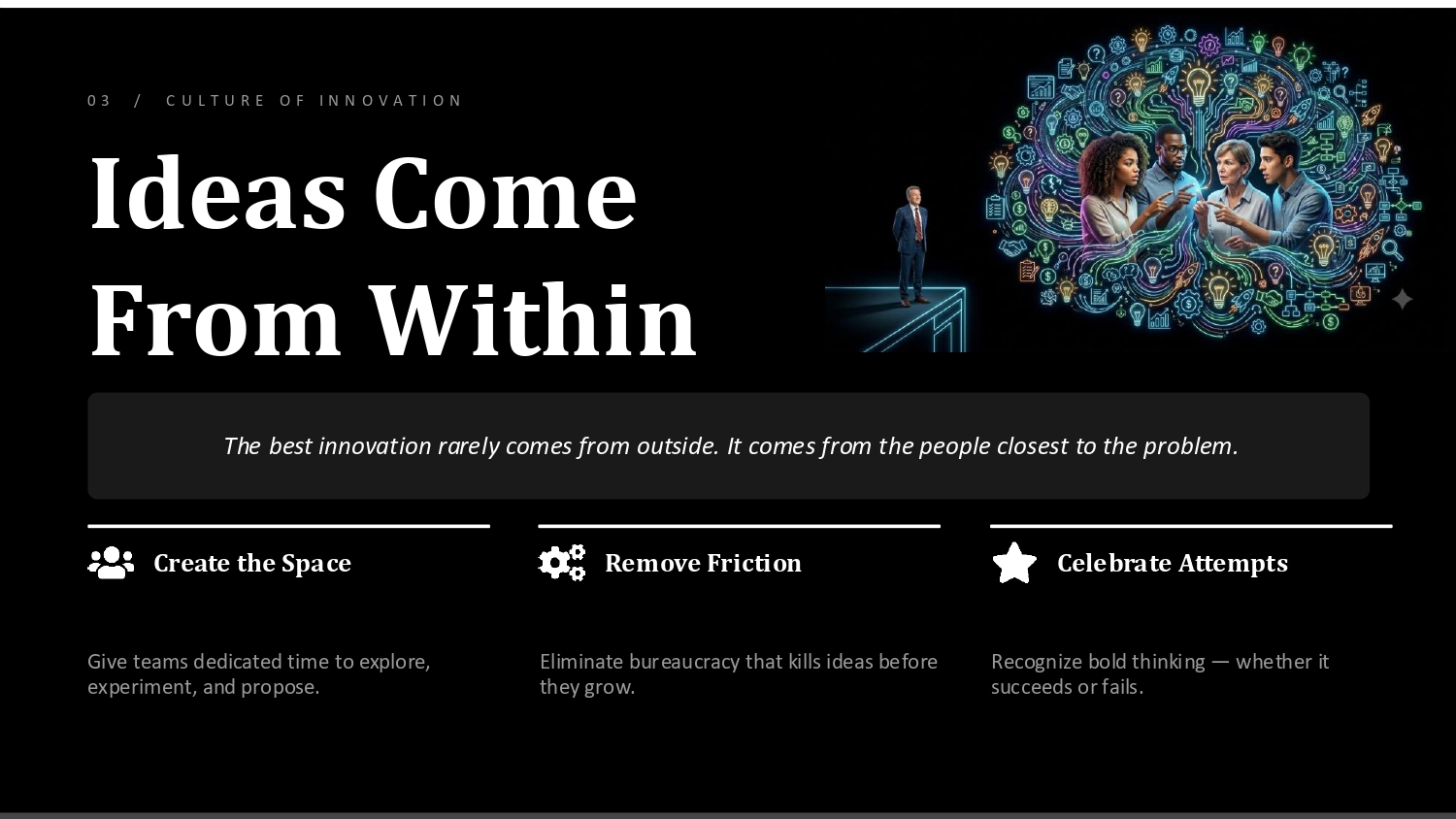
Ideas Come From Within the Team
His third idea is that real innovation rarely comes from outside; it usually comes from the people closest to the problem. The goal, he said, is not one-off yearly or quarterly innovation workshops but an ongoing environment where people feel safe bringing ideas forward. That means giving teams dedicated time to explore and experiment, removing unnecessary bureaucracy that can stop ideas before they develop, and recognizing bold attempts whether they succeed or fail. AI is not a universal tool for every case, he added. If a problem can be solved with pen and paper or a plain Excel file, there is no need to reach for AI just because it exists.